Plant This Winter in Zones 8a–10b
While gardeners up north are putting away their tools, planting season is just getting started in mild-winter yards. Enter your ZIP code and choose your seed to see when to sow.
This ZIP falls outside the collection’s Zones 8a–10b. Use the guidance for your area above.
Calculate dates for my yard
Look up my local frost dates (opens a new tab)
What would you like to grow this winter?
-

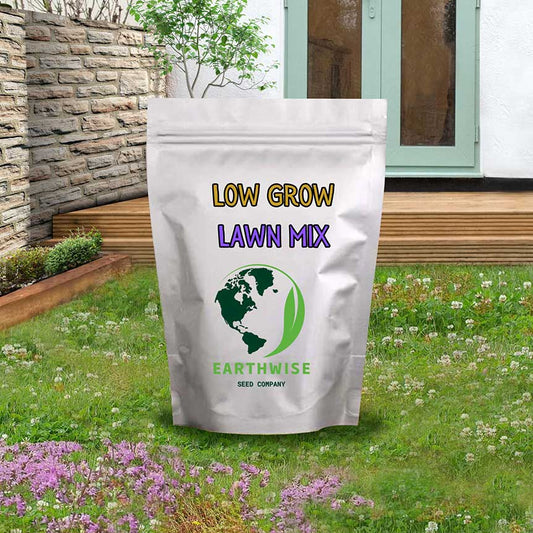
A lawn you can mow less
Low Grow™ blends fine fescues with two clovers. Let it grow soft and loose, or give it an occasional trim.
$19.95
1lb - Covers 400sq. ft. (bare) / 1000sq. ft. (overseed)
Shop Low Grow -

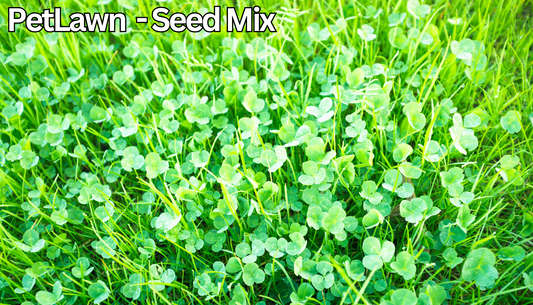
Grass for the dog’s favorite route
PetLawn™ pairs tall fescue with White Dutch clover for a yard you share with paws. Give new seedlings a break from foot traffic while they take root.
$19.95
1lb - Covers 400 sq. ft. (bare) / 1000sq. ft. (overseed)
Shop PetLawn -

Flowers for a sunny corner
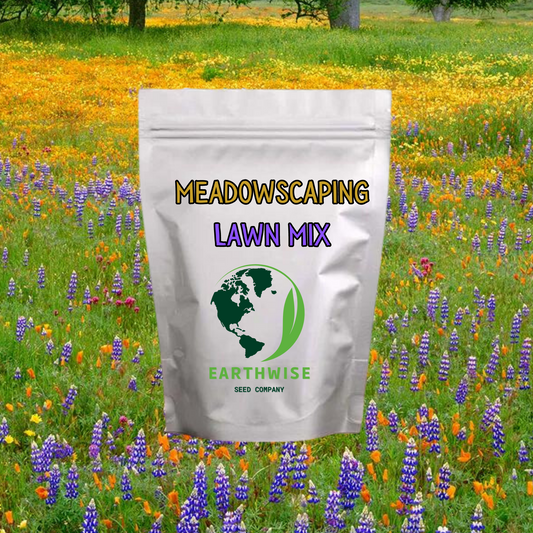
Meadowscaping mixes fine fescue with wildflowers. Give that strip along the fence room to grow into a patch of seasonal color.
$19.95
1/2 lb - Covers 500sqft
Shop Meadowscaping


Is your yard ready for seed?
A zone tells you how cold winter typically gets. A Gulf Coast yard, a Southern California garden, and a wet Pacific Northwest lawn can share a zone and have different planting windows. Your soil, local frost dates, and seed mix tell you when to get started.
It’s mild here. How do I know when to sow?
Check the planting guidance for your mix, take the soil temperature where you plan to sow, and look ahead for freezes. A warm afternoon can be misleading. You want a stretch of suitable soil temperatures and enough time for roots to establish. In dry winter climates, plan to water lightly so the seedbed stays evenly moist.
What if my winter brings frost or weeks of rain?
If the ground is cold or saturated, or a hard freeze is close, save your seed for the next suitable window. This can mean early spring even if a gardener in the same zone is sowing now. For fall-sown Microclover, allow at least eight weeks before your average first frost.
Can I plant every grass in this collection in winter?
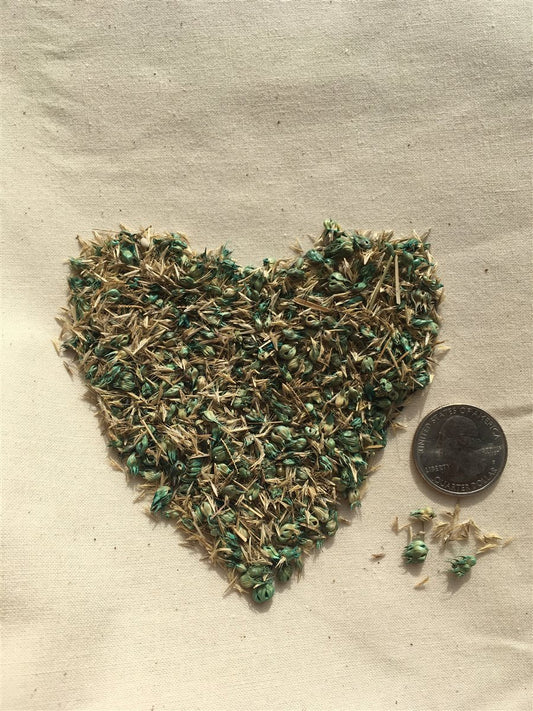
Fescues are cool-season grasses. Warm-season choices such as bermudagrass and the buffalograss in TrueGrass™ are projects for late spring or early summer, once the soil warms. In hot, humid areas, also check how each species handles your summer before choosing a permanent lawn.
How do I give new seed a good start?
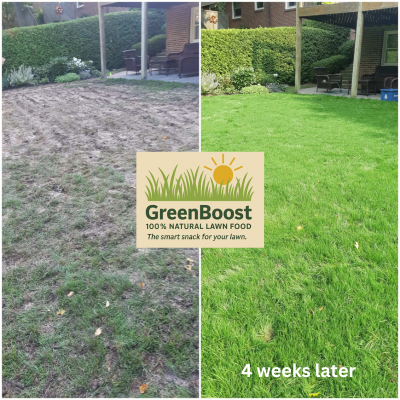
Rake away leaves and thatch so seed reaches soil. Sow at the rate on the bag, press the seed gently into place, and keep the surface evenly moist while it sprouts. Save GreenBoost™ for established lawns. Read the lawn planting guide.
Shop seed mixes, shakers, and lawn care
Looking for clover to add to an existing lawn or a shaker for a bare spot? Browse the mixes and supplies below. Save warm-season grasses for warmer soil and lawn food for established grass.
Find the right seed for your yard
-
Low Grow™ No-Mow Lawn Mix – Clover & Low-Maintenance Grass Alternative
Regular price From $10.95 USDRegular price$17.95 USDSale price From $10.95 USD39% OFF -
PetLawn™ Dog-Friendly Lawn Mix – Durable, Pet-Safe Grass & Clover Blend
Regular price From $13.95 USDRegular price$19.95 USDSale price From $13.95 USD30% OFF -
GreenBoost™ Natural Lawn Food - The Smart Snack for Your Lawn.™
Regular price From $8.95 USDRegular price$14.95 USDSale price From $8.95 USD40% OFF -
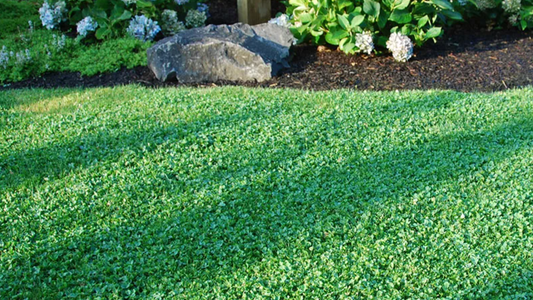
Microclover Natural Alternative Lawn Seed
Regular price From $14.95 USDRegular price$24.95 USDSale price From $14.95 USD40% OFF -
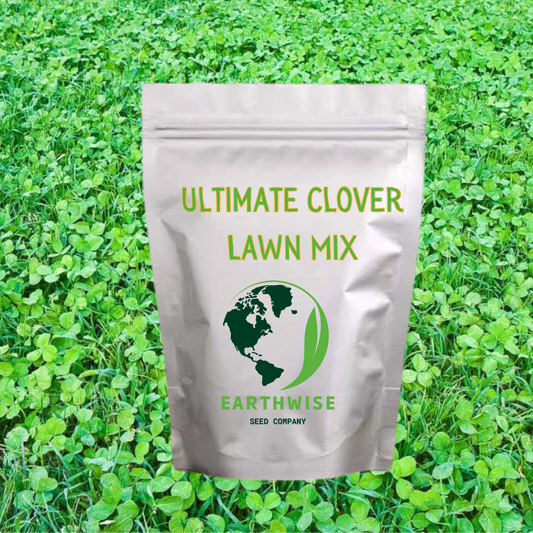
Ultimate Clover Lawn Mix: Low-Maintenance, Eco-Friendly Yard, MicroClover Lawn Seed
Regular price From $12.95 USDRegular price$16.95 USDSale price From $12.95 USD24% OFF -
White Dutch Clover Alternative Lawn Seed
Regular price From $7.95 USDRegular price$12.95 USDSale price From $7.95 USD39% OFF -
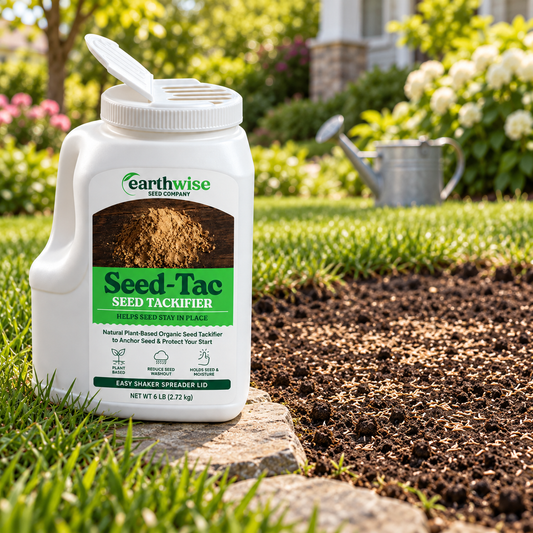
Seed-Tac™: Premium Organic Tackifier - Helps New Seed Succeed™
Regular price From $13.95 USDRegular price$13.95 USDSale price From $13.95 USD -
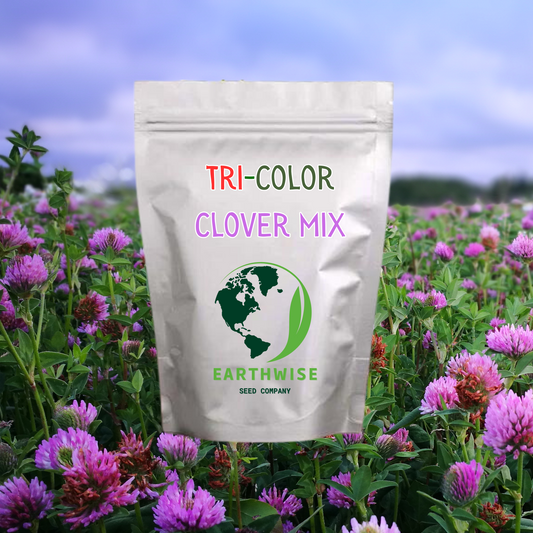
Tri-Clover - Red, White, & Crimson Clovers - Alternative Lawn Seed
Regular price From $11.95 USDRegular price$18.95 USDSale price From $11.95 USD37% OFF -
Meadowscaping Mix Alternative Lawn Seed — for Low-Maintenance, Eco-Friendly Lawns
Regular price From $19.95 USDRegular price$39.95 USDSale price From $19.95 USD50% OFF -
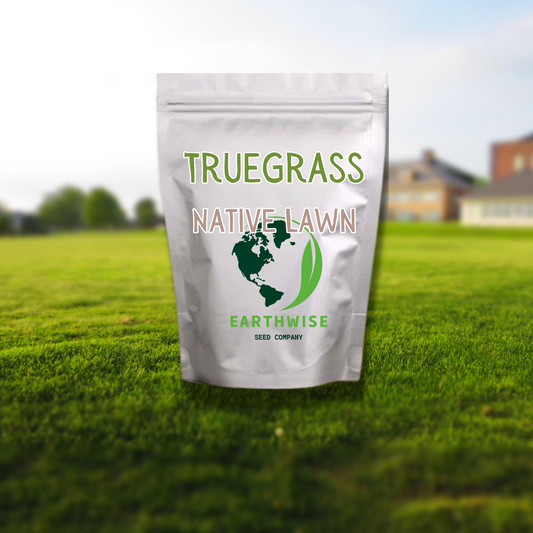
TrueGrass Native Grass Seed - The No Maintenance Native Lawn, Drought-Tolerant, Eco-Friendly Grass Blend
Regular price From $59.95 USDRegular price$79.95 USDSale price From $59.95 USD25% OFF -
EcoSeed - The No Maintenance Lawn, Fine Fescue Lawn Mix, Eco-Friendly Grass
Regular price From $12.95 USDRegular price$19.95 USDSale price From $12.95 USD35% OFF -
DandiLawn™ Dandelion Lawn Mix | Low-Growing, Pollinator-Friendly, No-Mow Lawn
Regular price From $19.95 USDRegular price$29.95 USDSale price From $19.95 USDSold out -
Magic Seed PetLawn | Bare Soil & Bare Spot Repair
Regular price $79.95 USDRegular price$119.95 USDSale price $79.95 USD33% OFF -
Magic Seed EcoSeed | Bare Soil & Bare Spot Repair
Regular price $47.95 USDRegular price$79.95 USDSale price $47.95 USD40% OFF -
Magic Seed Low Grow | Bare Soil & Bare Spot Repair
Regular price $89.95 USDRegular price$119.00 USDSale price $89.95 USD24% OFF -
Magic Seed Meadowscaping | Bare Soil & Meadow Patch Repair
Regular price $149.95 USDRegular price$249.95 USDSale price $149.95 USD40% OFF -
Magic Seed Ultimate Clover | Bare Soil & Bare Spot Repair
Regular price $99.95 USDRegular price$149.95 USDSale price $99.95 USD33% OFF