Earthwise Seed
Magic Seed Low Grow | Bare Soil & Bare Spot Repair
Magic Seed Low Grow | Bare Soil & Bare Spot Repair
Couldn't load pickup availability

Have Questions?
Get in touch at 1-833-GRN-SEED

Have Questions?
Get in touch at 1-833-GRN-SEED
Why You’ll Love It
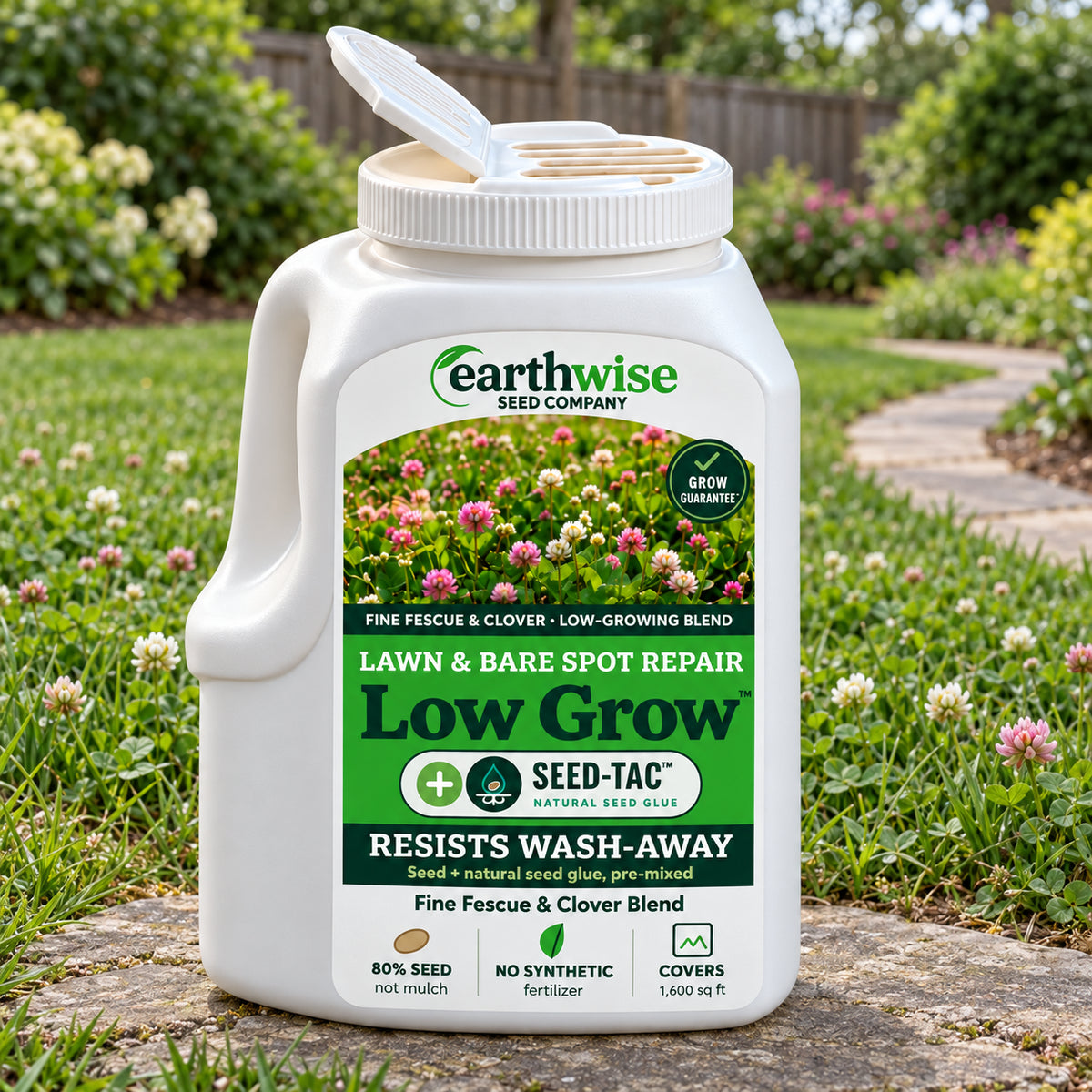
Magic Seed Low Grow combines the original seed blend with plant-based Seed-Tac binder in a ready-to-use shaker jug. Use the premix for new plantings on prepared bare soil or exposed patch repairs.
- Seed and binder already premixed
- Shaker-spreader lid for even application
- 1,600 sq. ft. of prepared bare soil per jug
What is in the mix
Each 5 lb jug contains 4 lb of Low Grow seed blend and 1 lb of plant-based Seed-Tac binder.
Inside the seed portion:
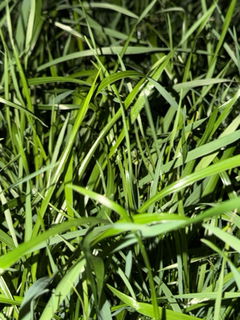
- EcoSeed fine fescues: Chewings, Sheep, and Creeping Red fescues
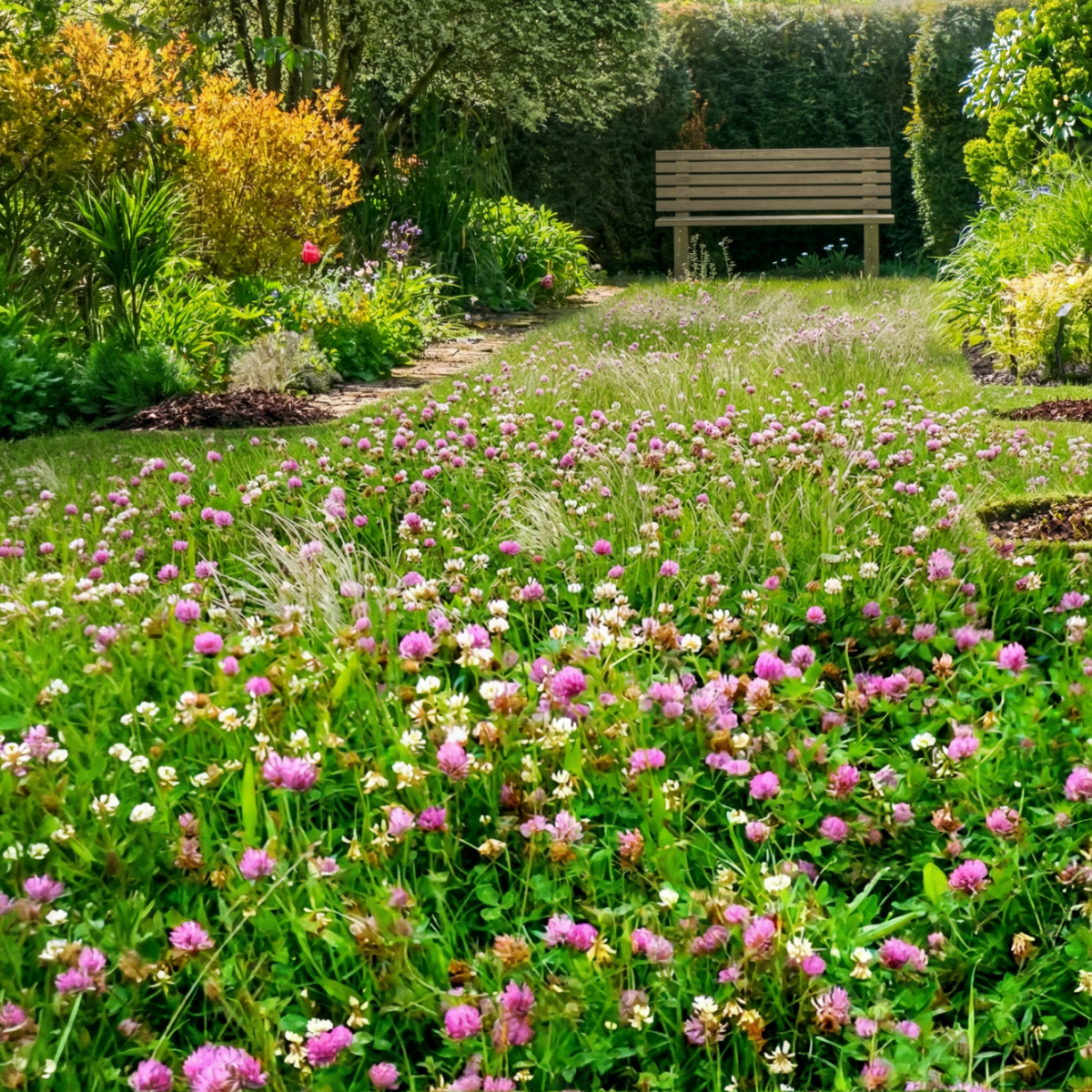
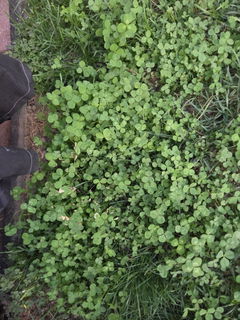
- White Dutch clover
- Red Carpet clover
Water activates the binder so it becomes tacky and helps hold seed against the soil.
Where It Grows Best
- Sunlight: Full sun to partial shade.
- Earthwise planting regions: All.
- Use: Prepared bare soil and exposed patch repairs.
Expected Height & Mowing
EcoSeed grasses reach about 10-12 in before arching to a 5-8 in canopy. Clover flowers can rise above it. Mow near 3-4 in for a shorter lawn.
Planting & Care
- Measure the prepared bare soil you plan to treat. For patch repair, add together only the exposed patches. One jug covers 1,600 sq. ft.
- Remove dead grass, competing vegetation, and debris. Loosen the exposed soil and rake smooth.
- Use the shaker-spreader lid to distribute the premix evenly across the measured area.
- Gently press the seed into contact with the soil.
- Water gently to activate the binder. Keep the planting consistently moist during establishment.
Overseeding an existing lawn?
Choose the original Low Grow seed-only blend for overseeding established turf. Use this seed-and-binder premix on prepared, exposed soil.
Germination & Establishment
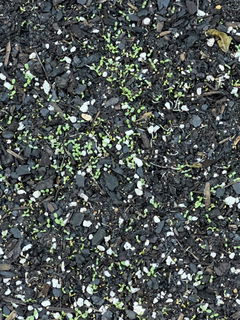
Allow about 2-5 weeks for mixed emergence. Clover and fine fescues can appear at different times.
Coverage fills in gradually. Allow 1-2 growing seasons for a mature mixed lawn.
The binder helps hold seed against the soil. Soil preparation, suitable temperatures, and ongoing watering are still part of successful establishment.