


Earthwise Seed
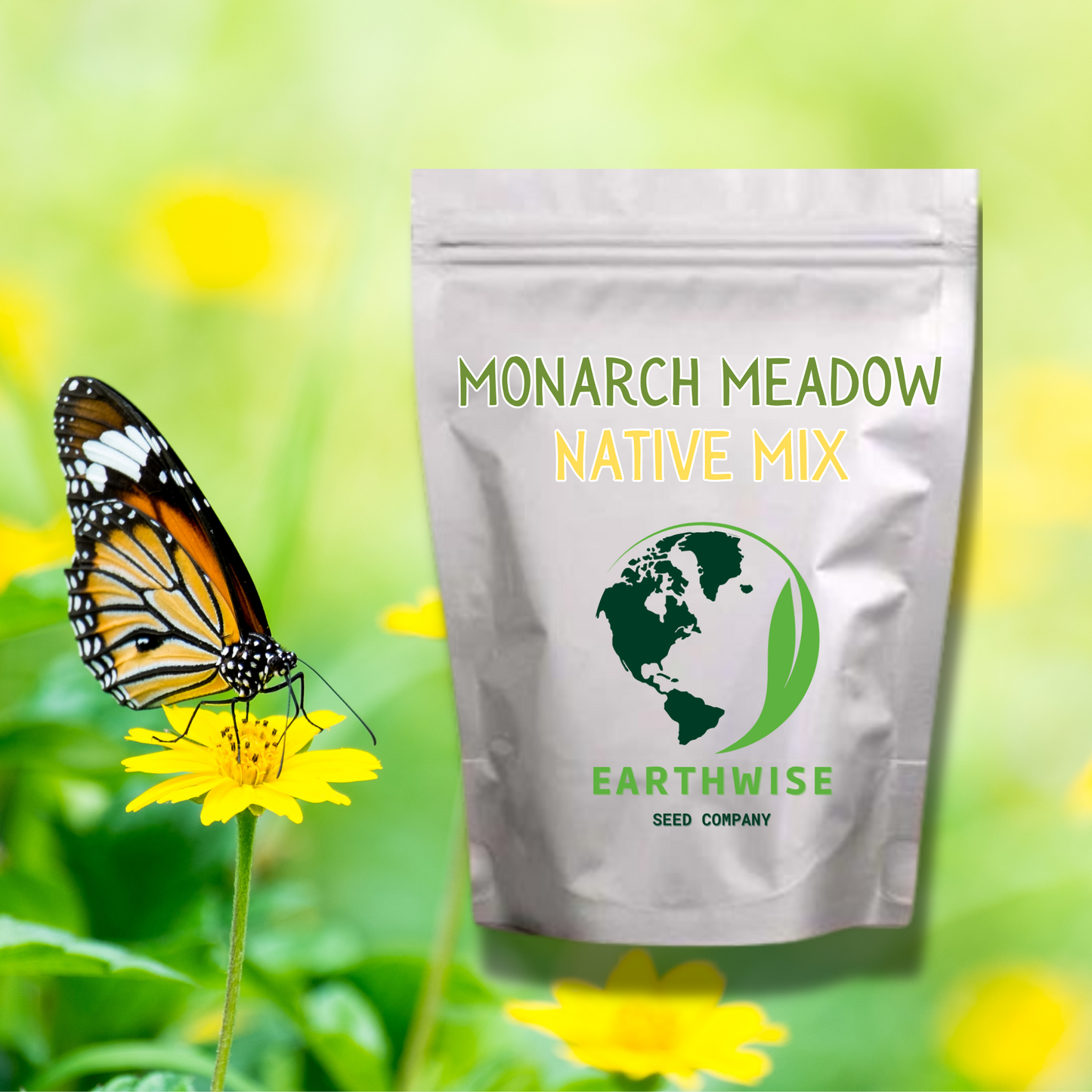
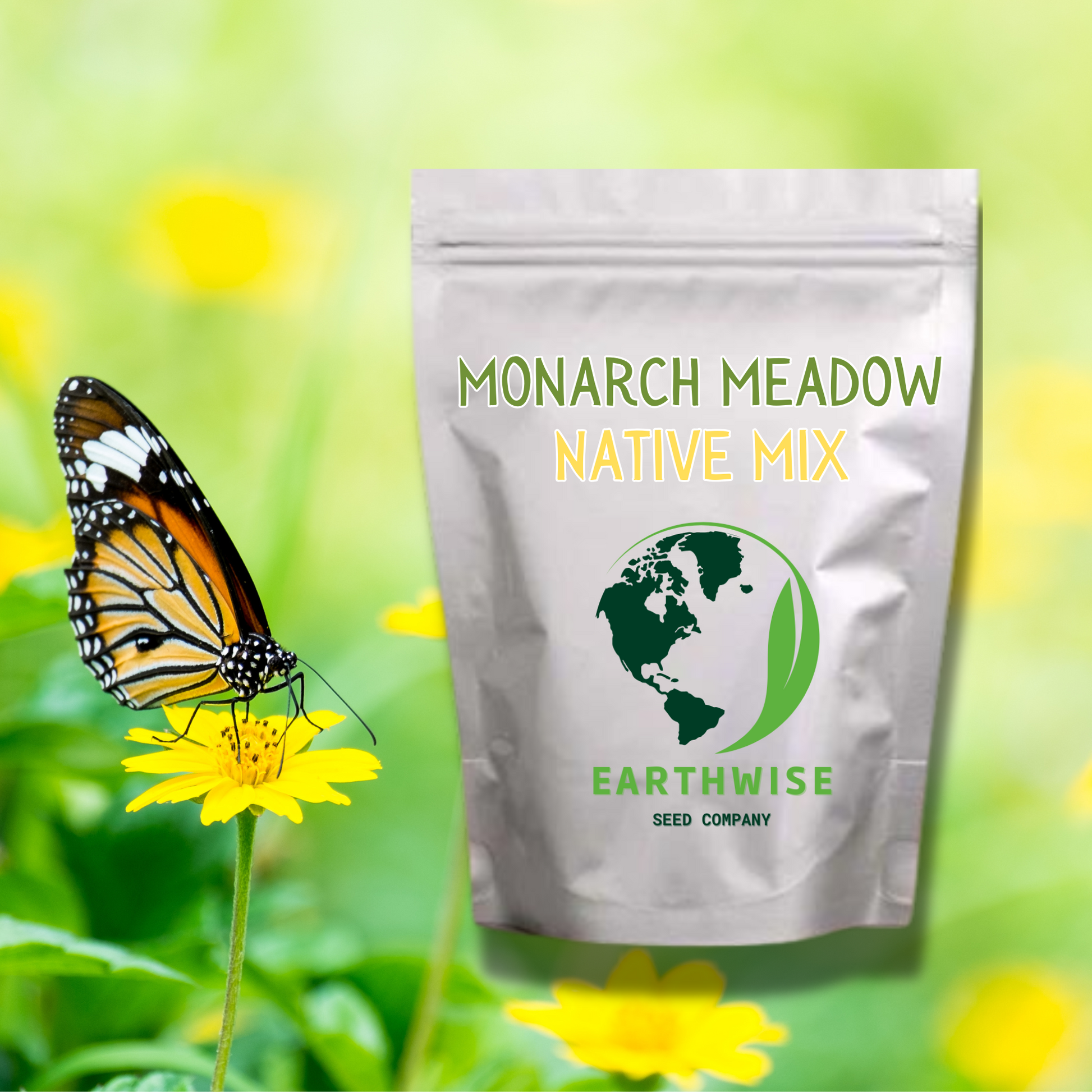
Monarch Meadow Native Mix
Monarch Meadow Native Mix
Couldn't load pickup availability
Calculate how much seed you need

Have Questions?
Get in touch at 1-833-GRN-SEED

Have Questions?
Get in touch at 1-833-GRN-SEED
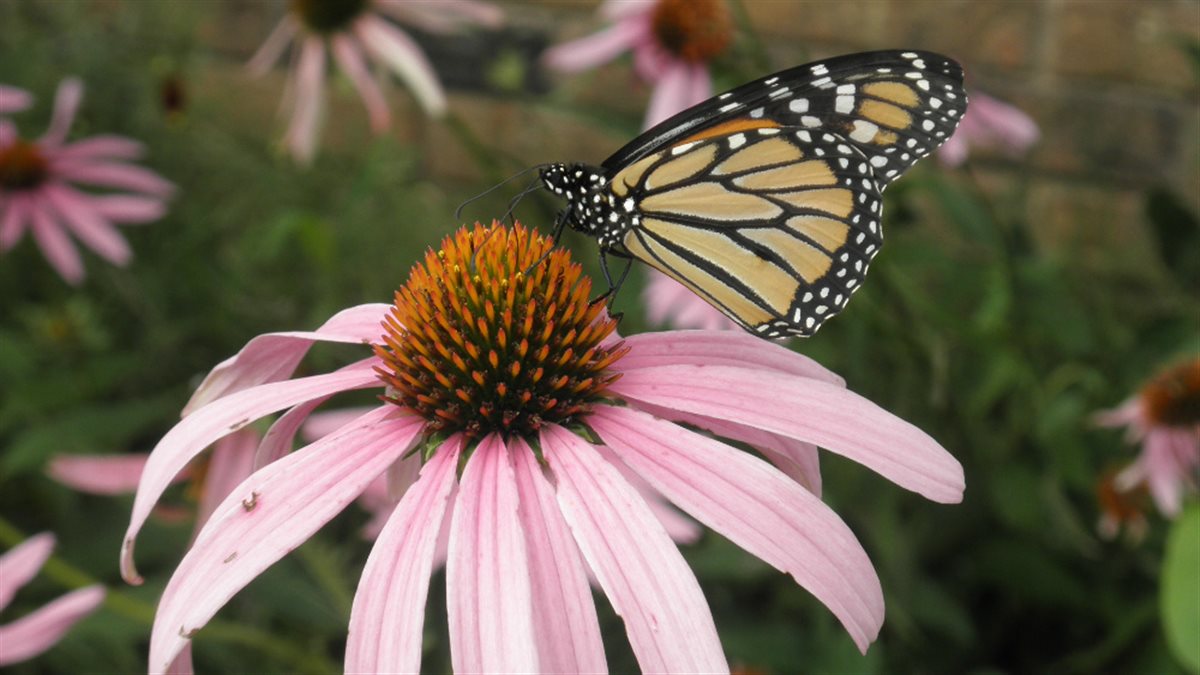
🦋 Butterfly Favorites – nectar-producing flowers for monarchs and other adult butterflies
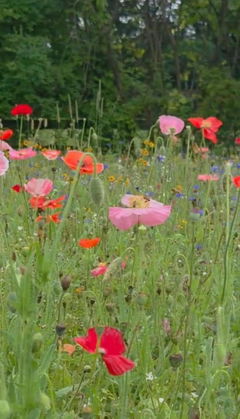
🌸 Colorful Blooms – a changing display of blues, purples, pinks, reds, oranges, and yellows
🌎 Make Room for Nature – turn sunny spaces into welcoming pollinator gardens
🌿 Natural Meadow Beauty – varied flower shapes and heights create a relaxed, flowing landscape
🌼 Color Now & Later – annual flowers bring early interest while perennials develop
🐝 Pollinator Support – pollen and nectar sources for bees and other flower-visiting insects
🍂 Beyond the Blooms – standing stems and seed heads add seasonal interest and wildlife value
Why You'll Love It
Bring more color, movement, and life to your landscape with Monarch Meadow Wildflower Mix. This blend pairs familiar garden favorites with native wildflowers to create a meadow-inspired planting filled with flowers for butterflies, bees, and other pollinators.
Golden Coreopsis and Black-Eyed Susan mingle with Blue Flax, Purple Coneflower, colorful poppies, and the upright blooms of Marsh Blazing Star. Annuals can provide first-season flowers, while longer-lived varieties develop roots and contribute more blooms as the planting matures. The result is a landscape that changes with the season—and gives you something new to notice each time you step outside.
Choose a sunny space, prepare the soil carefully, and give your seedlings consistent moisture as they establish. This mix is well suited to dedicated flower beds, sunny borders, and meadow-style garden areas where plants have room to grow and bloom.
Growing Zones
Successful wildflower planting starts with matching your seed to your space. This blend contains flowers with different climate and moisture preferences, so the varieties that thrive—and the timing of their blooms—will vary by location.
Choose a site with full sun and well-drained soil. Consider your rainfall, summer temperatures, and access to water during establishment when planning your planting.
Ideal Regions (See Map)
Check your region and site conditions before planting. For help choosing the right mix, contact hello@earthwiseseed.com.
Composition
- Lanceleaf Coreopsis
- Bachelor's Buttons
- Dwarf Blue
- Blue Flax
- Purple Coneflower
- Partridge Pea
- Rocket Larkspur
- Mixed Color Corn Poppy
- Indian Blanket
- Lemon Mint
- California Poppy
- Black-Eyed Susan
- Siberian Wallflower
- Marsh Blazing Star
- Plains Coreopsis
- Wild Bergamot
Plant Overview
- Height Range: Mixed heights; taller varieties may reach 5–6 feet
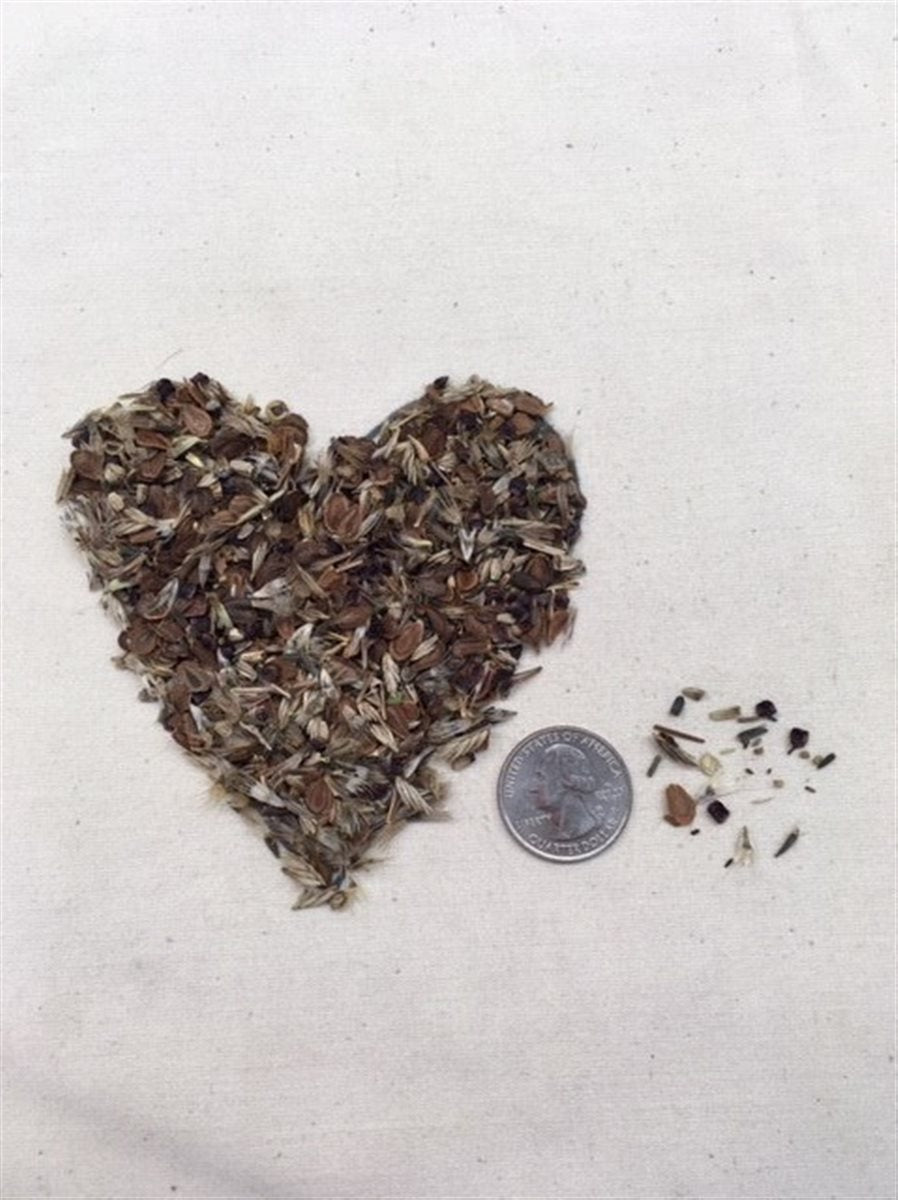
- Seeding Rate: Follow the coverage and application rate on your seed package
- Lifespan: A combination of annuals, biennials, and perennials
- Sun Requirements: Full sun
- Planting Seasons: Spring; fall planting may be appropriate depending on your climate and sowing method
- Ideal for: Butterfly gardens, sunny borders, dedicated wildflower beds, and meadow-style landscapes
- Pet Considerations: Contains larkspur; avoid planting where pets may chew or eat the plants
Give a sunny corner a new purpose, bring flowers closer to home, or create a larger space for pollinators to visit. Monarch Meadow Wildflower Mix makes room for a landscape you can enjoy watching grow.
Application Instructions
Good preparation gives your wildflowers room to establish. Prepared bare soil offers the most reliable start. Adding seed to an existing planting requires exposed soil and careful control of competing vegetation.
Bare Soil Planting
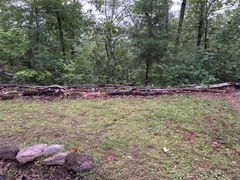
- Choose a sunny location and remove existing grass and weeds
- Lightly loosen the soil surface, then rake smooth to create a firm seedbed
- Broadcast evenly in two passes, moving in opposite directions
- Press seed into the surface for good seed-to-soil contact; avoid burying the small seeds deeply
Overseeding
- Best suited to gaps in an existing wildflower bed or other areas with exposed soil
- Cut back competing vegetation and remove thatch or debris before sowing
- Create open spaces where seedlings can receive sunlight and establish roots
- Expect uneven results where established plants remain competitive; scattering seed over dense turf is unlikely to establish a successful wildflower planting
Planting Timing
- For spring sowing, plant when local conditions support germination and seedling growth
- In cold-winter climates, dormant fall sowing means waiting until sustained cold prevents germination before winter
- In mild-winter climates, fall timing may differ; follow guidance for your region
- Avoid sowing immediately before extreme heat or a dry period without reliable irrigation
Watering & Establishment
- During active germination, keep the seedbed evenly moist without saturating it
- Water gently to avoid washing away small seeds
- Gradually reduce watering frequency as roots develop
- Provide supplemental water during prolonged dry weather; moisture needs vary among the flowers in this mix
What to Expect
- Germination and flowering will occur at different times across the mix
- Annuals may flower in the first growing season when conditions are favorable
- Biennials and perennials may focus on roots and foliage before flowering in later seasons
- The balance of flowers will change with climate, growing conditions, and reseeding
- Leave some stems and seed heads standing through winter to provide food and shelter for wildlife
For seasonal details and step-by-step visuals, see our Wildflower Planting Instructions.