

Living in an HOA community doesn’t mean you’re stuck with a high-water, high-maintenance lawn.
It does mean you need to be strategic. Most HOAs care about three things:
- A consistent green appearance
- Defined edges and maintained height
- No “weedy” or unmanaged look
The good news? There are lawn alternatives that reduce water and maintenance while still meeting those expectations.
Below are the most HOA-compatible options we carry — and when each one makes sense.
TrueGrass: Native, Structured, and Low-Maintenance

Best for: Full-sun lawns in regions where native grasses thrive.
TrueGrass is made entirely of native grass species, including: Texoka Buffalograss and Blue Grama Grass
These grasses evolved to handle heat, drought, and regional climate swings. That means, significantly less watering once established, minimal fertilizer needs, and reduced mowing compared to traditional turf.
When mowed and edged properly, TrueGrass maintains a clean, intentional appearance — which is critical for HOA approval.
This is often the strongest option for homeowners who want a full replacement that still reads as “lawn.”
EcoSeed: Fine Fescue for a Soft, Traditional Look
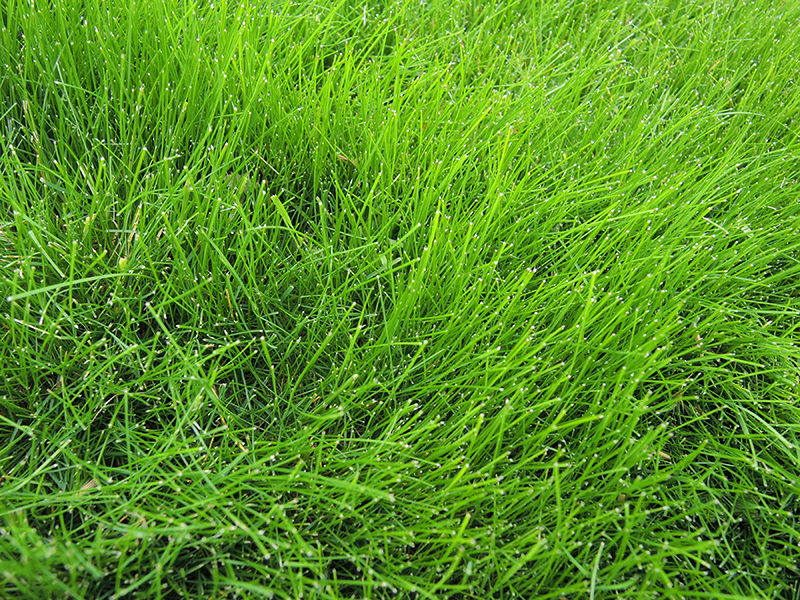
Best for: Homeowners who want a classic green lawn with lower inputs.
EcoSeed is a fine fescue blend made of Creeping Red Fescue, Chewings Fescue, Sheep Fescue.
Fine fescues are known for:
- Soft texture
- Shade tolerance (better than many turf types)
- Lower water needs
- Ability to be mowed low for compliance
Because it still looks like a traditional lawn, EcoSeed is one of the easiest alternatives to get approved in HOA communities.
It’s a “quiet upgrade” rather than a dramatic change.
Ultimate Clover: A Balanced, HOA-Safe Upgrade
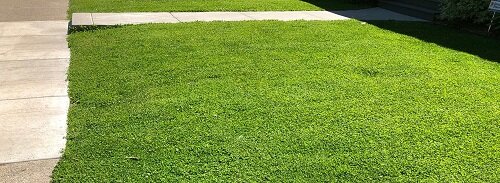
Best for: Homeowners who want soil improvement without a visible clover lawn.
Ultimate Clover includes 70% EcoSeed (fine fescue blend), 30% Microclover.
This ratio matters.
Instead of a full clover lawn (which some HOAs may question), the clover integrates into the grass, providing:
- Natural nitrogen fixation
- Reduced fertilizer needs
- Improved density
- Better drought resilience
When maintained at standard mowing height, it looks like a healthy lawn — not a flowering field.
For many HOA neighborhoods, this is the sweet spot between sustainability and compliance.
Wildflower Beds (Done the Right Way)

Full-yard meadow conversions are rarely HOA-friendly.
But defined flower beds often are.
If you want to incorporate wildflowers:
- Keep them in clearly edged beds
- Use mulch or stone borders
- Maintain clean transitions between lawn and planting areas
- Deadhead or trim when needed
Most importantly: Choose native wildflower mixes suited to your region.
- Look more natural in your environment
- Require less water once established
- Support local pollinators
- Are less likely to appear invasive or unmanaged
Intentional design is what makes wildflowers HOA-compatible.
How to Increase Your Chances of HOA Approval
Before making changes:
- Review your HOA landscaping guidelines carefully.
- Submit a simple plan showing layout and maintenance approach.
- Emphasize water conservation and reduced chemical use.
- Use terms like “low-maintenance turf blend” instead of “lawn replacement.”
Presentation matters.
A well-defined, maintained alternative lawn is far more likely to be approved than something that appears experimental or unstructured.
Balancing Sustainability and HOA Standards
Replacing a traditional lawn in an HOA community isn’t about pushing boundaries — it’s about making informed, strategic choices.
When you select climate-appropriate grass blends, maintain defined edges, and follow consistent mowing standards, lawn alternatives can look just as polished as conventional turf — often healthier.
Options like native grass blends, fine fescues, and balanced clover mixes allow you to:
- Reduce water use
- Lower maintenance
- Improve soil health
- Maintain curb appeal
The difference isn’t just what you plant — it’s how you present and maintain it.
With thoughtful design and the right seed blend for your region, sustainable landscaping and HOA compliance can work together.
Find the Right HOA-Friendly Lawn for Your Climate
Not every blend works in every region.
Use our Seed Finder to:
- Match your zip code
- Select your sun exposure
- Choose your goals (low maintenance, drought tolerant, pollinator support)
We’ll recommend the best option for your climate — so you can move forward confidently.