Earthwise Seed
TrueGrass Native Grass Seed - The No Maintenance Native Lawn, Drought-Tolerant, Eco-Friendly Grass Blend
Couldn't load pickup availability
Calculate how much seed you need
Draw Your Lawn Area
🌱 Fully Native Lawn Seed Mix – built from hardy, regionally adapted native grasses
🍃 Low-Maintenance – grows low and slow, requiring little to no mowing
💧 Drought-Tolerant – thrives with less irrigation once established
🌎 Eco-Friendly – chemical-free and designed to reduce inputs
🐾 Pet & Family Safe – natural and safe for outdoor living
🦋 Pollinator Support – pairs beautifully with wildflowers and pollinator habitats
☀️ Versatile Growth – adapts to diverse soils and sun-to-shade conditions
TrueGrass Native Lawn is expertly crafted from purely native grass species, including the resilient Texoka Buffalograss and Blue Grama Grass. This premium blend is designed to thrive in the diverse climates of the U.S., offering an eco-friendly, low-maintenance lawn solution that’s ideal for both residential and commercial landscapes.
Why You’ll Love It
TrueGrass brings a natural prairie character to your lawn with grasses native to North America. Once established, it offers a drought-tolerant landscape with less frequent mowing and watering.
What’s in the Mix
- Texoka Buffalograss – A spreading grass that helps form connected ground cover over time.
- Blue Grama – A fine-textured bunchgrass with distinctive seedheads.
Where It Grows Best
- Plant Type: Warm-season perennial grasses
- Sun Exposure: Full sun
- Best Uses: Sunny, low-traffic lawns and natural landscapes
- Seasonal Color: Green during active warm-weather growth; typically turns straw-colored after frost and greens up as temperatures warm in spring
Expected Height & Mowing
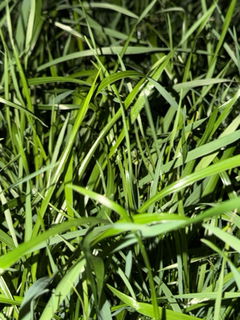
Grass foliage generally reaches 4–10 inches, while Blue Grama seed stalks can rise to approximately 8–24 inches.
Leave unmowed for a natural look or mow occasionally for a more uniform finish.
Planting Instructions
When to Plant
Plant in warm soil, typically from late spring through early summer. Seed sown during a suitable dormant fall or winter planting window will wait for warmer conditions before germinating.
Planting on Bare Soil
- Remove existing vegetation and prepare a level, firm seedbed.
- Broadcast seed evenly, rake lightly to cover it, and press it into the soil.
Overseeding an Existing Lawn
- Focus on thin areas with exposed soil.
- Mow low, remove clippings and debris, and rake before spreading seed.
- Ensure good seed-to-soil contact. Dense existing grass can limit establishment.
Seeding Rate
- Bare dirt installation: 1 lb per 500 sq ft
- Overseeding: 1 lb per 1,000 sq ft
Germination & Establishment
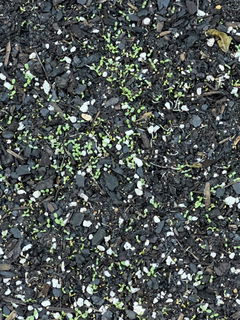
Allow approximately 2–5 weeks for germination in warm soil. Cool temperatures can delay emergence.
Keep the seeded area consistently moist during early establishment. As roots develop, gradually transition to deeper, less frequent watering.
Seedlings need time to fill open spaces, and drought tolerance improves as the planting matures.
Share

- 5 stars: 3 (60%)
- 4 stars: 2 (40%)
- 3 stars: 0 (0%)
- 2 stars: 0 (0%)
- 1 star: 0 (0%)
Great product. I saw results in 5 days.
It is growing and filling in an empty spot. Im pleased
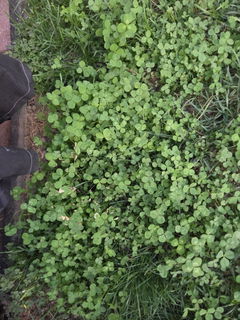
There is clover growing about in my yard, which is great! Some areas of exposed dirt that were seeded don’t seemed to have germinated yet. Wondering what conditions need to be met?
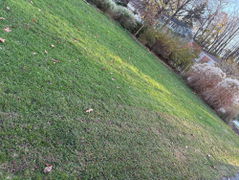
Easy answer for a beautiful drought tolerant lawn. I’ve been overseeding for a few years and the buffalo grass outcompetes the traditional lawn turf each summer as the temperatures get high and is slowly taking over. I took the laziest possible approach to replacing my lawn and it still shows marked improvement each year.
Look at an area in my backyard where the sun just beat it down and for years and years, I have been trying to get the grass to grow and then I had two large breed puppy dogs dig the heck out of it. I spent the entire spring fixing it up andregrading. Regrading and trying seed with hay and different kind of seed and another kind of seed nothing and I mean nothing would grow there. Finally I put sod down. And it died. I was at my wits end so I tried Earthwise andand let me tell you I have beautiful, beautiful grass growing in that spot now it is gorgeous filling and beautifully. There are a couple spots. I’ll probably get another bag just for those tough spots. Doing beautifully with two grown now large breed dogs running all over it and peeing on it. So far handling lovely especially for a brand new lawn.If If you are questioning whether or not to buy seed from this company, don’t. Oh and by the way, their customer service is absolutely superb. Made my order, and haven’t received anything about shipping in a week had gone by so I sent them an email and got an immediate response and apology and hey, we’ve really busy we’re so sorry it’s fall planting season and boom set my order out got it the next day. Good company very good company and very good seed.. I can’t wait to try some of the other versions like the clover.
Product Overview
TrueGrass Native Grass Seed is a low-maintenance, eco-friendly lawn solution made from native grasses. Ideal for homeowners and landscapers seeking sustainable options.
Key Benefits
- Native Grass Blend – Built from hardy, regionally adapted grasses.
- Drought Resistance – Thrives with less irrigation once established.
- Low Maintenance – Grows low and slow, requiring little to no mowing.
Who This Product Is Best For
This product is perfect for property owners wanting a sustainable lawn, landscapers looking for eco-friendly grass options, and anyone aiming to reduce water usage.
Common Questions About This Product
What is the best way to plant TrueGrass?
You can plant it in bare soil or overseed into an existing lawn, depending on your needs.
How long does it take for TrueGrass to grow?
Germination typically takes 2-5 weeks, and establishment may take longer depending on conditions.
Is TrueGrass safe for pets?
Yes, TrueGrass is natural and safe for pets and families.
Buying Considerations
Consider your local climate and soil conditions when choosing TrueGrass. It's designed for diverse environments but may require extra care in colder regions.
Guides
- Which Alternative Lawn Mix Is Right for Me? EcoSeed vs Low Grow vs Ultimate Clover vs Microclover vs TrueGrass vs FireGuard vs PetLawn
- Overseeding into Existing Turf: Prep, Coverage, and Aftercare
- Drought & Water‑Restriction Friendly Lawns: What to Expect Year 1 vs Year 2
- Low Grow vs. Native Mixes in Drought: Picking for Your Microclimate
- Soil Type & Drainage: Pick the Right Mix for Clay, Loam, or Sand