Earthwise Seed
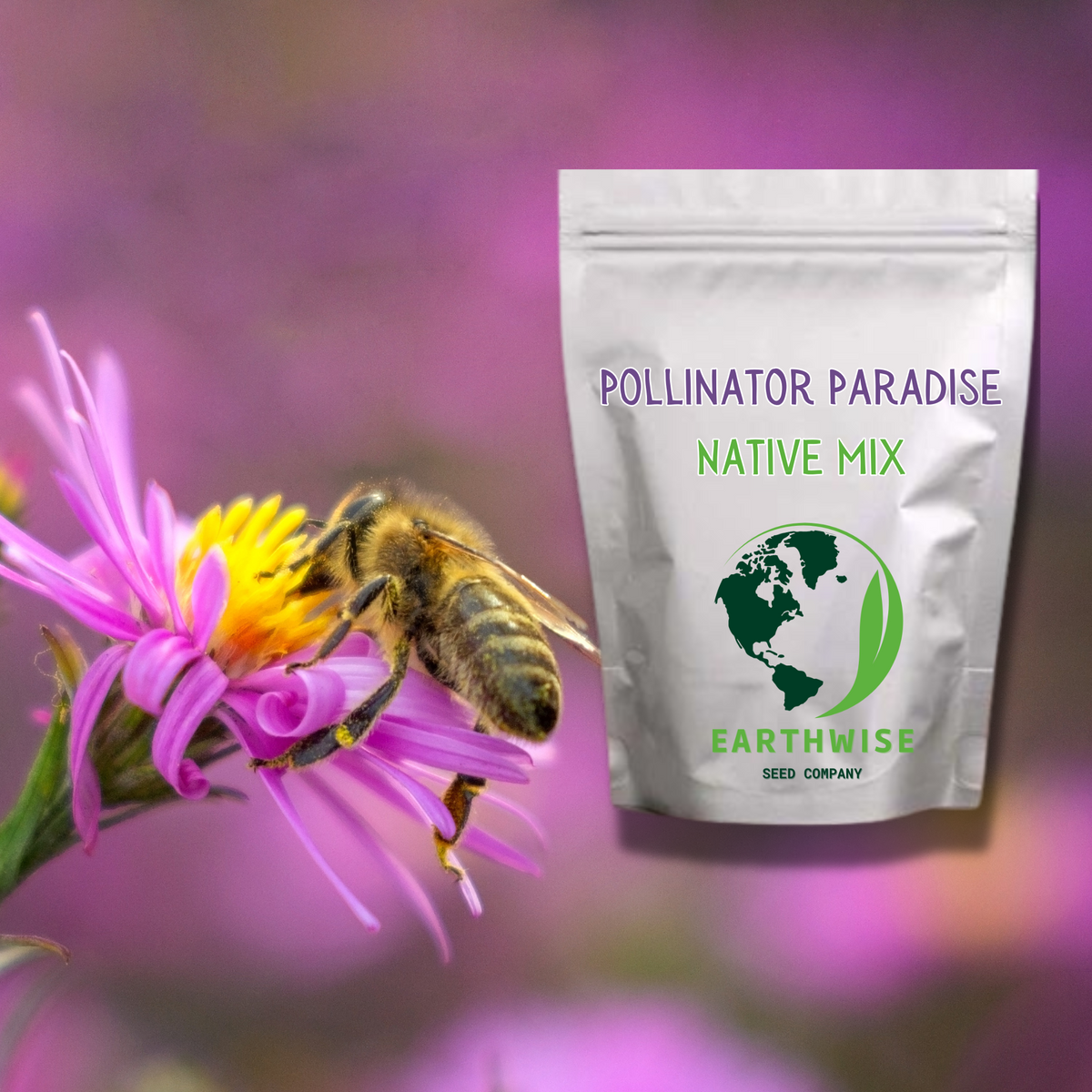
Pollinator Paradise Native Mix
Pollinator Paradise Native Mix
Couldn't load pickup availability
Calculate how much seed you need

Have Questions?
Get in touch at 1-833-GRN-SEED

Have Questions?
Get in touch at 1-833-GRN-SEED
🌼 A Mix of Annuals and Perennials – Grow a colorful blend of wildflowers and crimson clover in sunny beds, borders, and meadow plantings.
🐝 Flowers for Bees and Butterflies – Give visiting pollinators flowers to forage on as different plants come into bloom.
☀️ Best in Full Sun – Choose a spot that gets at least six hours of direct sunlight a day.
Why You’ll Love It
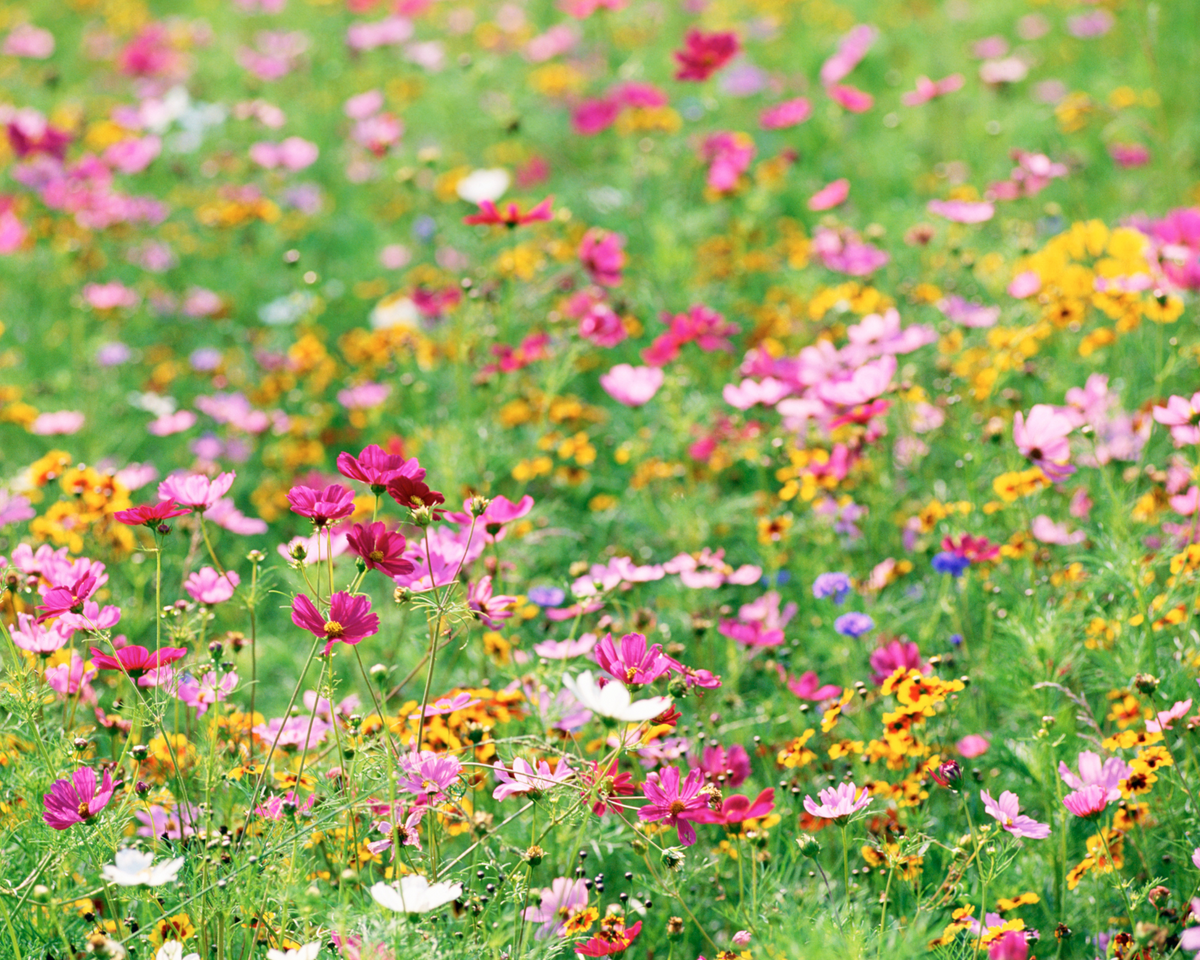
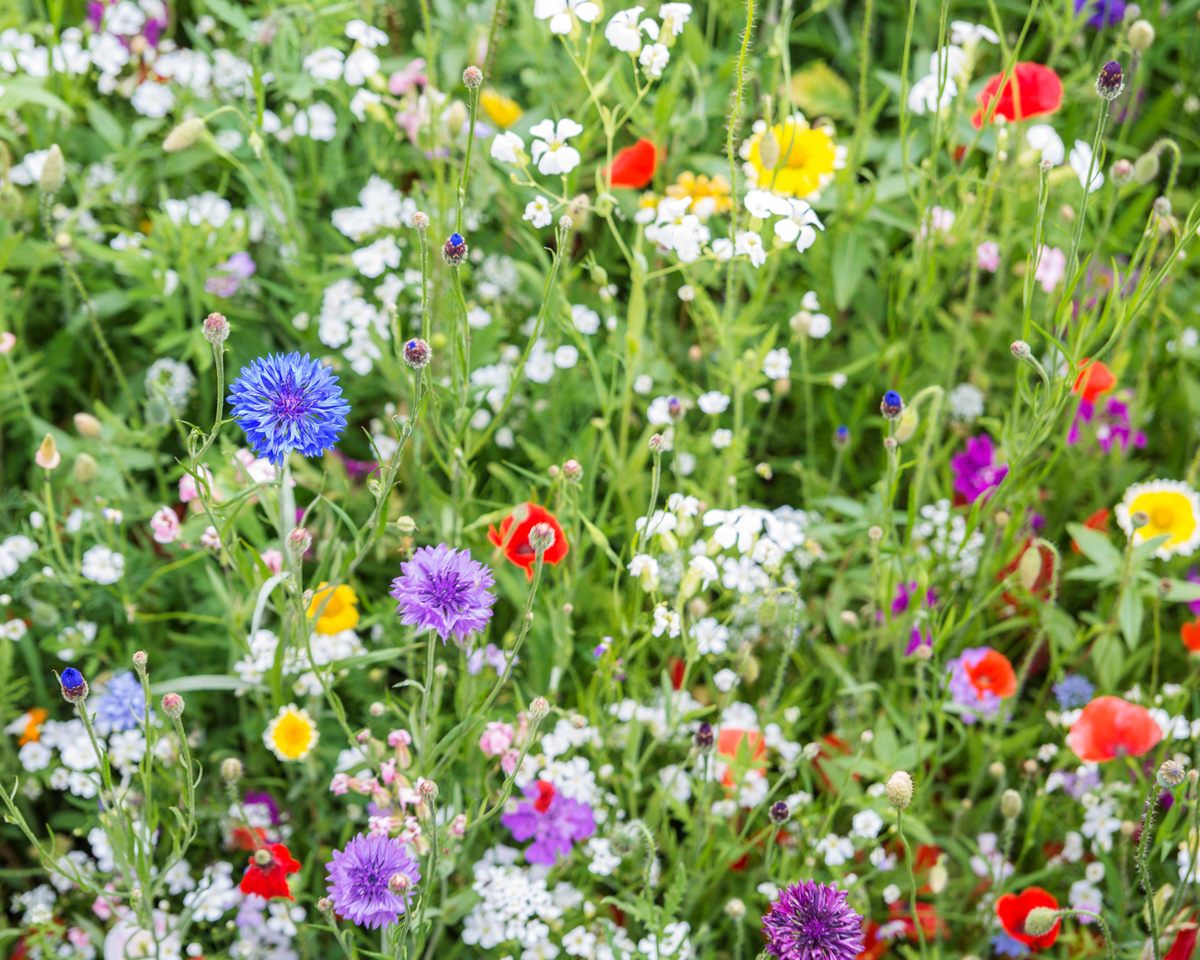
This planting changes through the season. Lanceleaf coreopsis can bring yellow flowers in late spring, purple coneflower adds summer color, and asters can extend the display into fall. What blooms and when will vary with your climate, planting date, and which flowers establish.
Planting Instructions
- Choose your planting window. For spring sowing, wait until the danger of frost has passed and the soil has warmed. For fall sowing, follow your local planting window. Some perennial seeds benefit from winter chilling.
- Prepare the area. Clear away grass, weeds, and debris. Rake lightly to expose the soil. If you’re adding flowers to a thin lawn, sow into open patches where the seed can reach bare soil.
- Scatter and press. Spread the seed evenly and gently press it into the soil surface for good seed-to-soil contact.
- Water gently. Keep the soil surface lightly moist during germination and early growth. Keep weeds from crowding young seedlings.
What to Expect
Seeds sprout at different times. Annuals such as cosmos can flower in the first growing season, while many perennials flower in the second season or later. Butterfly milkweed can take two to three years to bloom from seed.
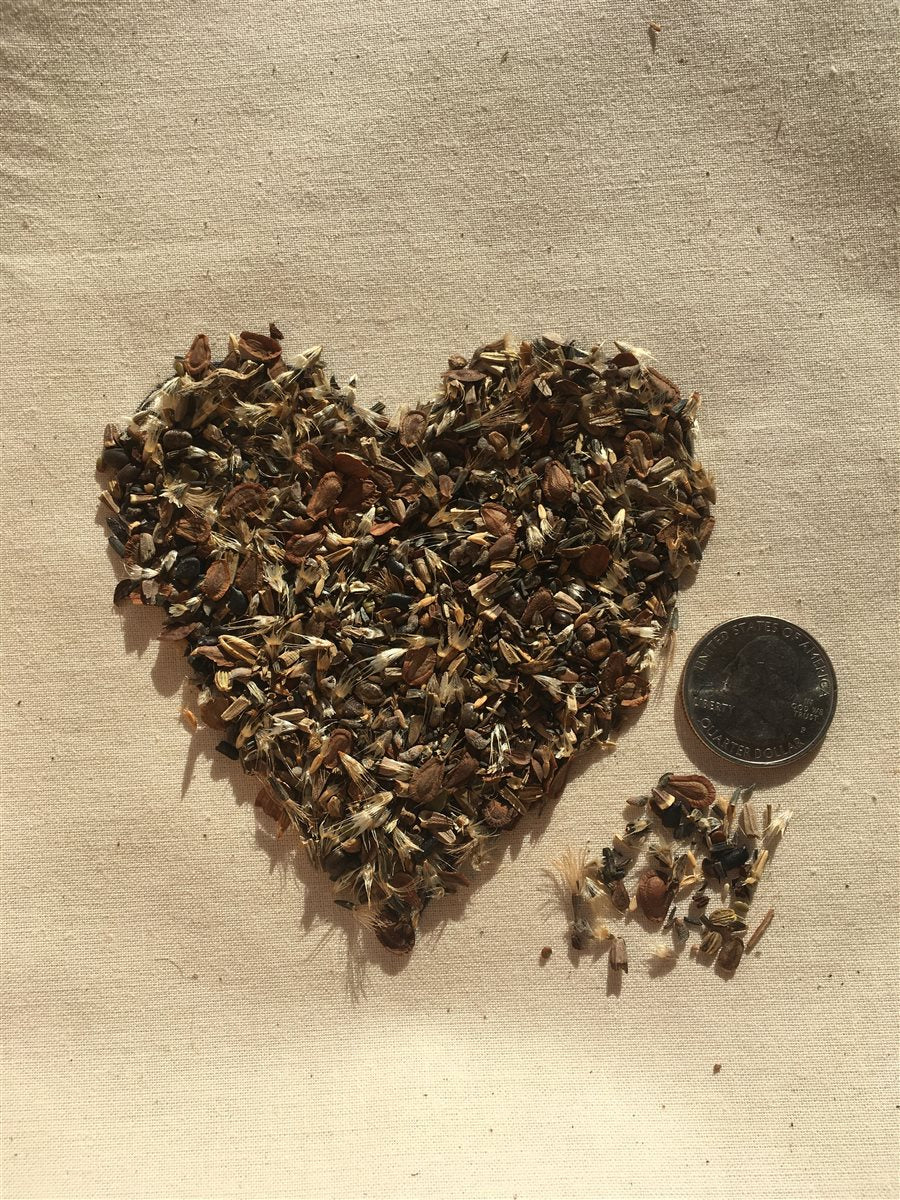
Composition
- Butterfly Milkweed 2%
- New England or Smooth Aster 0.7%
- Lanceleaf Coreopsis 5%
- Cosmos 10%
- Siberian Wallflower 5%
- Purple Coneflower 7%
- California Poppy 3.5%
- Perennial Blanketflower 5%
- Sunflower 12%
- Gayfeather 2%
- Alyssum 5%
- Perennial Lupine 20%
- Wild Bergamot 0.8%
- Baby Blue Eyes 3%
- Evening Primrose 2%
- Lacy Phacelia 5%
- Prairie Coneflower 2%
- Crimson Clover 10%
For planting only. Do not eat.
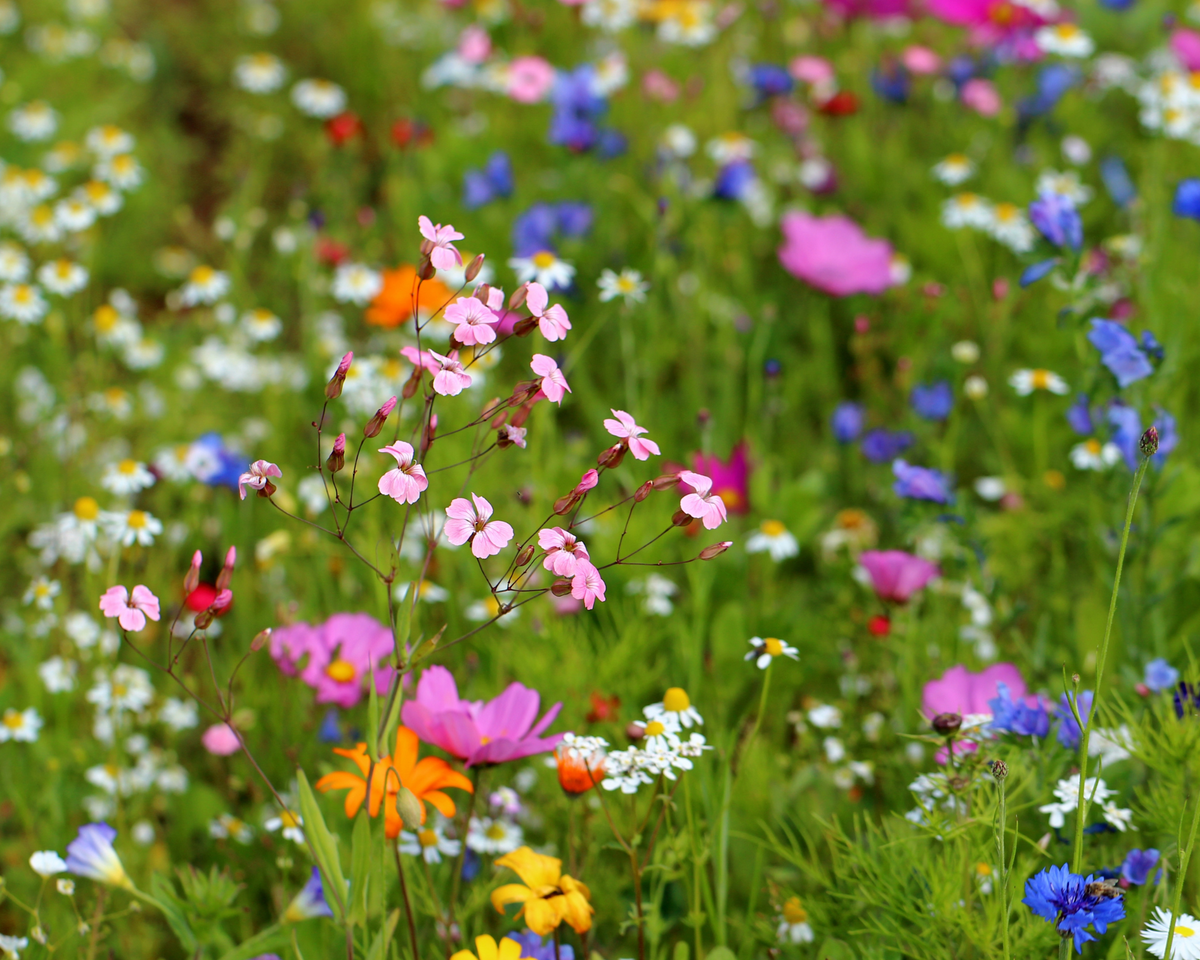
The seeds worked amazing! My patch is full of lush colors and beautiful blooms! Wish I could post a picture. Just sad none of the milkweeds grew. Other than that the automatic monthly subscription was jarring (did not realize that would happen but was quickly cancelled).
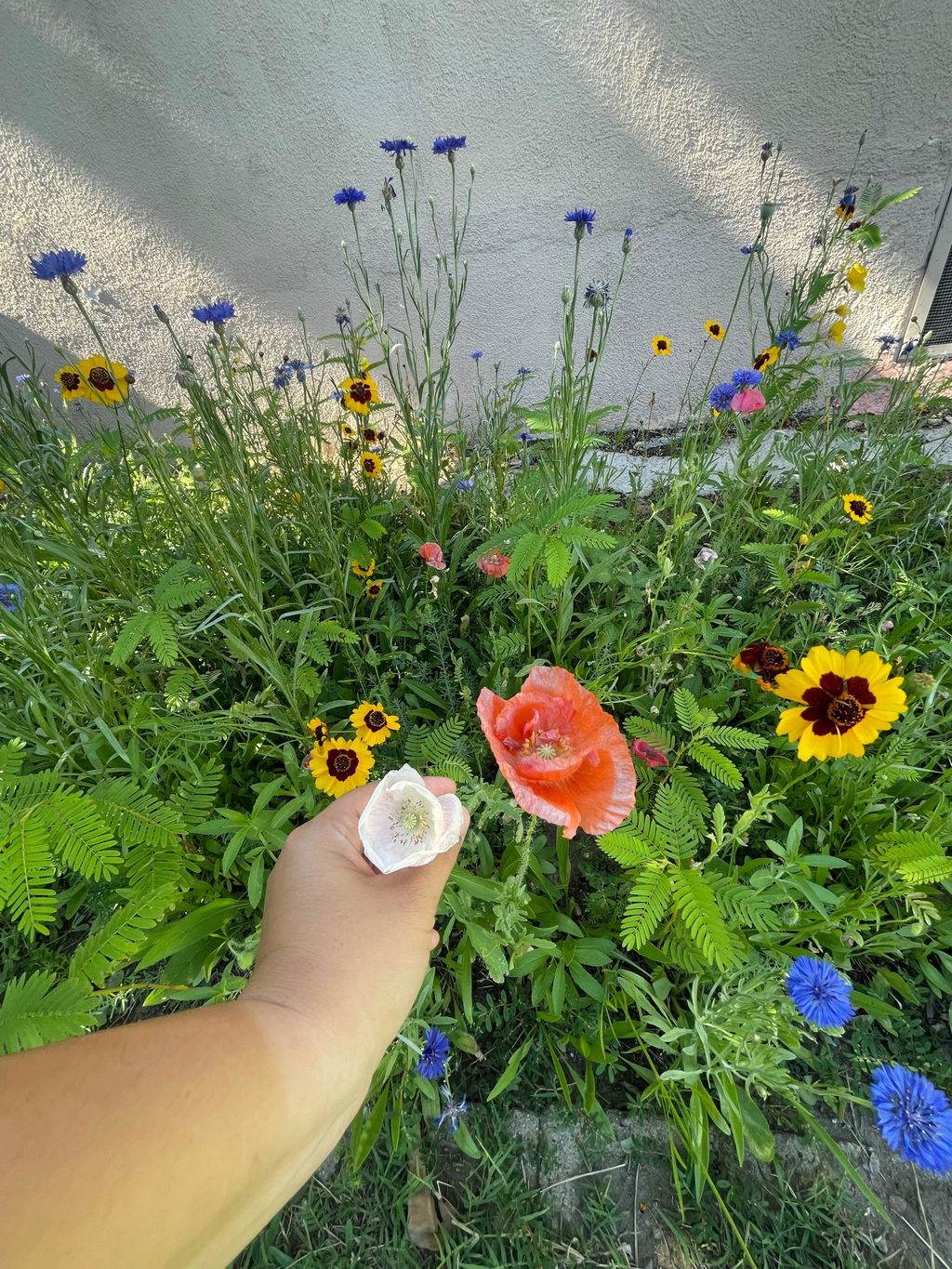
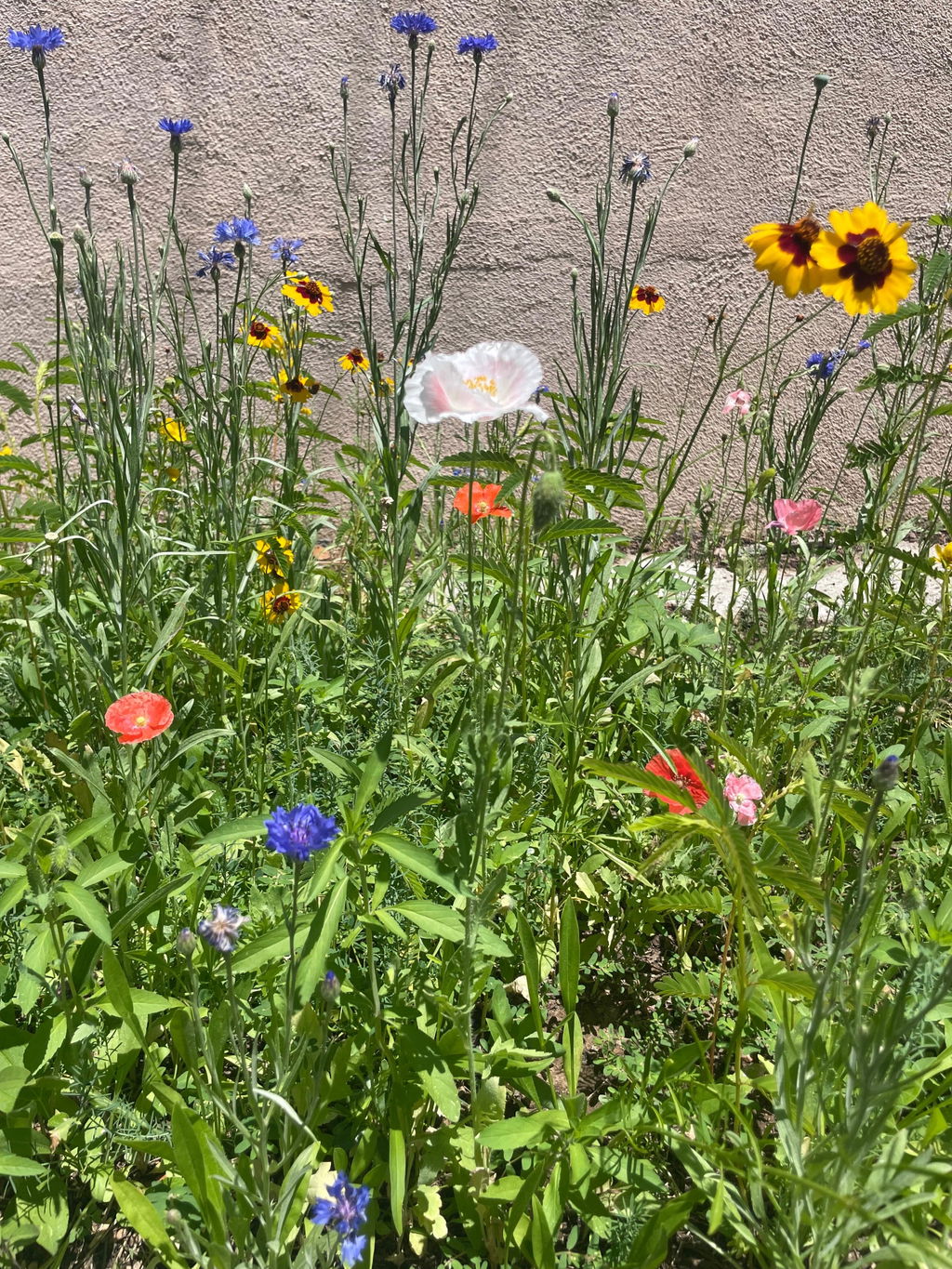
300 dollar order should have been here april 20th. . Nothing arrived. Just states PENDING DELIVERY in route. Anyone wanna share with me what the issues
were???
it is NOW OCTOBER. STILL NOTHING DELIVERED
The seeds are all coming up and would definitely buy again.
PICK EARTHWISE! Not only did the seeds sprout wonderfully, the amount of fireflies and butterflies we’ve gotten since flowering has significantly raised. We also used a native grass to fill in dirt patches, and that has worked as well!